

What To Do If An Infected Insect Bite Gets Worse in Market Harborough
Most insect bites are little more than a temporary nuisance. A bit of redness, some itching, and a small amount of swelling are all perfectly normal reactions that tend to settle down within a day or two. However, some bites can become infected, and when that happens, it is important to know what to look out for and what to do next.
Whether you have been bitten by a midge on a country walk near Market Harborough or picked something up closer to home, this step-by-step guide will help you understand when a bite is healing normally and when it needs attention.
If you are concerned about a bite that appears to be getting worse, get in touch with our team at Mistrys Pharmacy or book an appointment to be assessed quickly and conveniently.
How To Tell If An Insect Bite Is Infected: Spot the Signs Early
The sooner you recognise the signs of infection, the easier it is to treat. Use the symptom checker below to assess what you are dealing with.
| Symptom | Normal Reaction | Possible Infection | Seek Urgent Help |
|---|---|---|---|
| Redness around the bite | Small, fades within 48 hours | Spreading or intensifying after 48 hours | Rapidly spreading redness across a wide area |
| Swelling | Mild, localised | Growing or firm to the touch | Significant swelling near eyes, lips or throat |
| Warmth | Slight warmth immediately after the bite | Persistent heat around the site | Hot, tight skin spreading beyond the bite |
| Pain | Mild tenderness initially | Pain worsening rather than improving | Severe or throbbing pain |
| Discharge | None | Pus or fluid leaking from the site | Significant pus with surrounding red streaks |
| Fever or chills | None | Low-grade temperature | High fever, shivering, feeling very unwell |
If you are seeing signs in the middle or right-hand column, it is time to take action. Do not wait for things to improve on their own if the bite is clearly getting worse.
Step-By-Step: What To Do When An Infected Bite Gets Worse
Step 1: Do Not Scratch or Squeeze
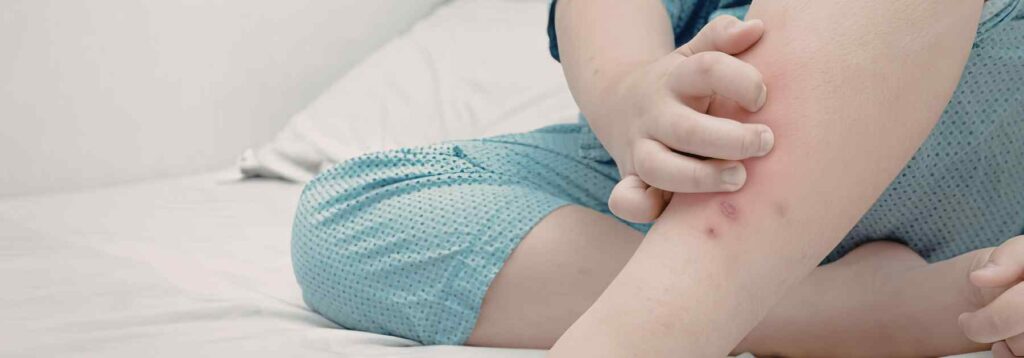
It sounds obvious, but scratching an infected bite introduces more bacteria from your fingernails into an already compromised area of skin. Squeezing in an attempt to remove pus can push the infection deeper into the tissue. Keep your hands away from the site as much as possible.
Step 2: Clean the Area Gently
Wash the bite and the surrounding skin with mild soap and clean, lukewarm water. Pat it dry with a clean cloth or fresh tissue. Avoid alcohol-based products directly on broken skin, as these can cause irritation and slow healing.
Step 3: Apply a Cold Compress for Swelling
If the area is swollen and painful, applying a clean cold compress or a cloth-wrapped ice pack for ten to fifteen minutes can help reduce inflammation. Do not apply ice directly to the skin.
Step 4: Keep It Covered
Cover the bite with a clean, breathable dressing to protect it from further contamination. Change the dressing at least once a day or whenever it becomes wet or dirty. This also helps to reduce the temptation to scratch.
Step 5: Monitor the Bite Carefully
Over the next 24 to 48 hours, keep a close eye on the bite. Look out for the following warning signs that suggest the infection is spreading or worsening:
- Redness that continues to expand outward from the bite
- Red streaks running away from the bite site
- Increased pain or throbbing rather than improvement
- Growing swelling that feels tight or hard
- Pus or discharge from the wound
- Feeling feverish, hot or shivery
- Swollen glands in the neck, armpit or groin
Any of these signs warrant prompt medical attention.
Step 6: Visit Your Pharmacy for Pharmacy First Treatment
You do not need to wait for a GP appointment for an infected insect bite. Under the NHS Pharmacy First scheme, a pharmacist can assess infected insect bites and, where clinically appropriate, supply prescription-strength treatment without you needing to see a doctor first.
This is often the quickest route to getting the right treatment. Our team in Leicestershire can assess the bite, discuss your symptoms, and advise on the most appropriate course of action, including whether a topical or oral antibiotic treatment may be needed.
Book an appointment with Mistrys Pharmacy to be seen quickly under the Pharmacy First service.
Step 7: Know When To Go Further
Pharmacy First covers many cases of infected insect bites, but some situations require escalation. Go to an urgent treatment centre or call 999 if you experience:
- Rapidly spreading redness or red streaks across the skin
- A high fever above 38°C alongside the bite
- Difficulty breathing, dizziness or a swollen throat
- Confusion or feeling severely unwell
- Signs of anaphylaxis following a sting or bite
These symptoms may indicate a severe infection such as cellulitis, or in rare cases a serious allergic reaction, both of which need immediate medical care.

Preventing Bites From Becoming Infected
Prevention is always easier than treatment. A few simple habits can significantly reduce the risk of a bite becoming infected in the first place:
- Resist scratching, even when itching feels unbearable
- Keep fingernails short and clean during warmer months
- Apply an antihistamine cream or take antihistamine tablets to reduce itching quickly
- Use insect repellent when spending time outdoors in Leicestershire’s parks and countryside
- Cover arms and legs during dawn and dusk when biting insects are most active
- Clean any bite promptly with soap and water
Frequently Asked Questions
How do I know if my insect bite is infected or just a normal reaction?
A normal reaction involves mild redness, itching and localised swelling that improves within 48 hours. An infected bite tends to get worse over time rather than better. Look for increasing redness, swelling that spreads, warmth, pain or any pus. If symptoms are worsening after two days, seek advice.
Can a pharmacist treat an infected insect bite?
Yes. Under the NHS Pharmacy First scheme, pharmacists can assess infected insect bites and supply appropriate treatment, including antibiotics where needed, without a GP referral. It is often the quickest way to get the right care.
When should I go to A&E for an insect bite?
Go to A&E or call 999 if you have difficulty breathing, a severely swollen throat, signs of anaphylaxis, a rapidly spreading rash with a high fever, or red streaks spreading from the bite. These may indicate a severe allergic reaction or serious infection.
How long does an infected insect bite take to heal?
With appropriate treatment, mild to moderate infections typically improve within five to ten days. More significant infections may take longer. Always complete any course of antibiotics as prescribed and follow up if symptoms do not improve as expected.
Should I take antihistamines for an infected bite?
Antihistamines can help relieve itching and reduce the urge to scratch, which in turn helps prevent infection from worsening. However, they do not treat the infection itself. If the bite is already infected, you will need specific treatment from a pharmacist or doctor.
What is cellulitis and can it develop from an insect bite?
Cellulitis is a bacterial skin infection that can develop when bacteria enter through broken skin, including insect bites. It causes increasing redness, warmth, swelling and pain and usually requires antibiotic treatment. If you suspect cellulitis, seek medical advice promptly.
Get Seen Quickly at Mistrys Pharmacy in Leicestershire
An infected insect bite can escalate quickly if left untreated, but in most cases it can be dealt with efficiently with the right Pharmacy First support. Our team is here to help you get the right treatment without unnecessary delays.
Through the NHS Pharmacy First service, we can assess your bite, recommend the appropriate treatment, and get you on the road to recovery as quickly as possible. Contact us at Mistrys Pharmacy or book an appointment today.